
We shipped Voice Ordering. Here's what we got wrong first.
Three prototypes, one blow-dryer, and why the confirmation step is the whole product.
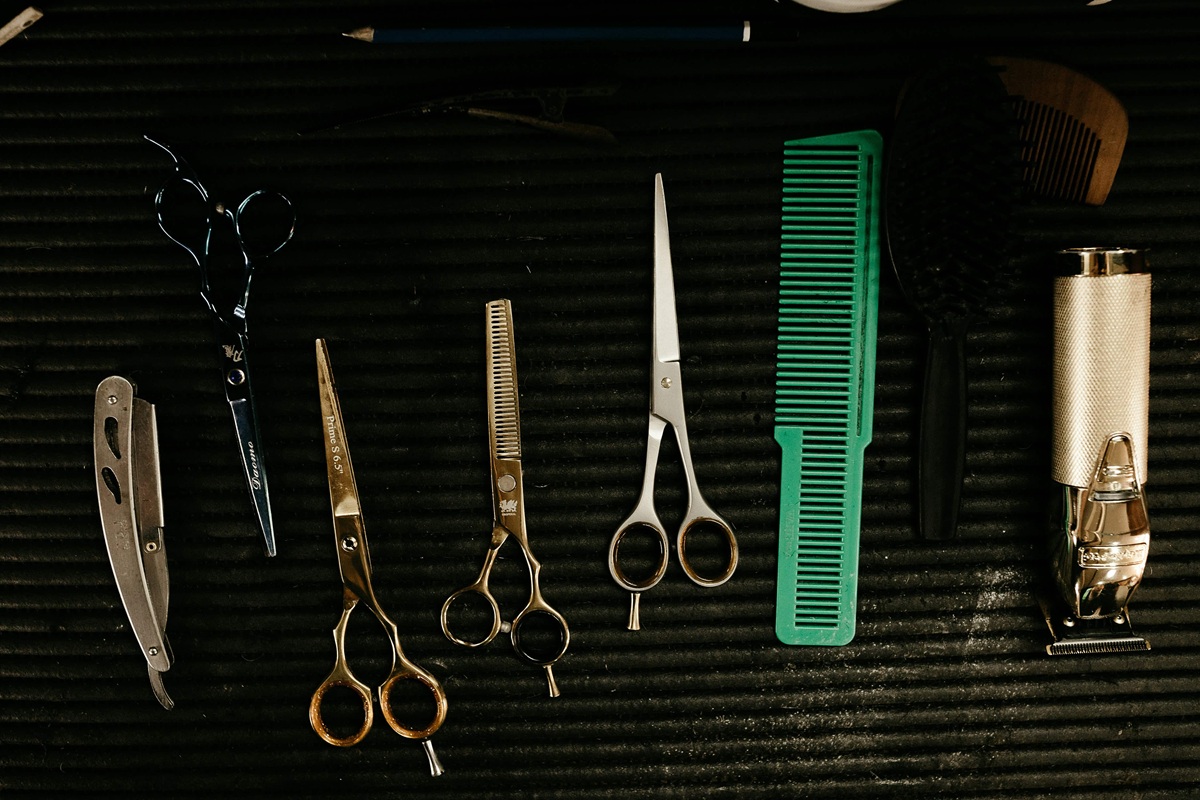
What we got wrong first: the initial version of Voice Ordering sent orders straight from a transcribed voice note with no human check in between — and on a noisy salon floor, a blow-dryer running two chairs over turned "two" into "twenty-two" tubes of colour. The fix took three prototypes, and the confirmation step we almost cut turned out to be the whole product.
The pitch for Voice Ordering still fits in one sentence: say what you're out of, and the order shows up. We believed it in October. We still believe it. This is the story of the three versions it took to get there.
- Orders are never sent from a voice note alone. A draft cart is built, checked by a person, and approved with one tap.
- We stopped asking clarifying questions in the moment. Anything unclear comes back as a single question in the draft, not a conversation at the basin.
- Matching runs against the salon's own order history first, the supplier catalogue second. "The toner we used on Ellie" resolves; a generic product search doesn't.
Prototype one: transcribe it, send it
Version one was honest about what it was: speech-to-text glued to the cart. You recorded a note, we transcribed it, matched product names to SKUs, and — because we were proud of the matching — placed the order.
We tested it in a quiet office. It worked beautifully. Then we took it to a four-chair salon in Fitzroy on a Saturday.
"Two 6.0, and a litre of twenty vol."
"Twenty-two 6.0, and a litre of twenty vol."
A blow-dryer two chairs over ate the pause between "two" and "6.0". The transcript looked perfectly plausible. The matcher found the SKU. The cart totalled $341. If she hadn't been standing next to us, it would have shipped.
The lesson wasn't "use better speech recognition" — though we did. It was that a salon floor is one of the noisiest working environments you can put a microphone in, and the cost of a confident wrong answer is a carton of colour you didn't want and a supplier you now have to ring.
Prototype two: ask about everything
So we overcorrected. Version two confirmed every line before it did anything. "Did you say two or twenty-two?" "Which developer — 20 vol 1L or 20 vol 5L?" "Supplier A or Supplier C for the 6.0?"
It never sent a wrong order. It also never sent a right one, because nobody finished the conversation. The whole point of talking instead of typing is that you're doing it with foils in one hand and a timer going. Three follow-up questions at the basin is worse than the portal you were trying to avoid.
"I don't want to have a chat with it. I want to say the thing and get on with the colour."
Two of the three salons testing v2 stopped using it inside a week. Not because it was wrong — because it was needy.
Prototype three: draft, check, one tap
Version three moved the confirmation out of the conversation and into the cart. You say the note and put the phone down. We build a draft against your order history. A person on our side — Maya, for most pilot salons — checks it. If something's genuinely ambiguous, it comes back as one question on one line, not an interrogation. Then you approve the whole cart with a tap, whenever you get a minute.
Step three is the one we almost cut. It felt like an admission — a human in a product we'd been describing as automated. Then we watched what it did to trust. Salons who'd been burned by v1 started sending notes again within a day of knowing someone would look at them. The approval tap stopped being a chore and became the moment the job felt done.
The confirmation step isn't a safety net around the product. It is the product. The voice note is just the fastest way to fill the cart.
What we still get wrong
Being honest about v1 and v2 would be cheap if we pretended v3 was finished. It isn't.
- ·New products. Matching is excellent for things you've ordered before and mediocre for things you haven't. "That new Wella toner" is a question back to you, every time, until you've ordered it once.
- ·Business hours. Because a person checks every draft, a note at 9pm Sunday becomes a cart on Monday morning, not Sunday night. We think that's the right trade today. Some salons disagree.
- ·Nicknames. Every salon has its own words — "the purple one," "Ellie's toner," "the big developer." We learn them per salon, slowly. It takes a few weeks before the drafts stop needing that one question.
What's next
The human check shrinks as your salon's history grows. Products we've seen you order three times will start drafting instantly; the person only steps in for the genuinely new or ambiguous. We are not going to promise a date for that, because the last time we promised something about this feature it ordered twenty-two tubes of colour.
If you want to be one of the salons teaching it your words, the pilot is open. Free for salons, your suppliers unchanged, and a real person on the other end of every note.
Ten minutes on a call, your last few invoices, and you're set up. Say what you're out of; approve the cart when you get a minute.